Affiliate Disclosure: This site contains affiliate links. If you buy through them, I may earn a commission at no extra cost to you. It never changes what I write.
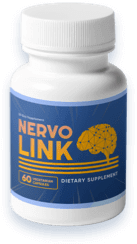
What NervoLink is
NervoLink is a daily nerve-health support supplement sold in capsules. Each bottle holds 60 capsules — a 30-day supply at the recommended two capsules per day. What makes it unusual is the formula: instead of the B-vitamin-heavy blends you see in most nerve supplements, NervoLink is built around a blend of medicinal mushrooms — reishi, lion’s mane, shiitake, cordyceps sinensis, royal sun agaricus, turkey tail, black fungus, and white button mushroom — plus maitake. It’s marketed to adults looking to support nerve comfort, especially in the hands and feet (tingling, numbness, burning sensations), and it’s produced in FDA-registered, GMP-certified facilities in the USA.
Here’s what made me take it seriously: NervoLink has been one of ClickBank’s longer-running nerve-support offers, and it’s maintained real sales volume in a category flooded with fly-by-night products, which honestly made me more skeptical. Nerve supplements attract some of the most desperate buyers online, and desperation is where marketing gets ugliest. So I pulled the sales data, read the vendor’s ingredient claims against what medicinal-mushroom research actually says, and went looking for real customer feedback outside the vendor’s own pages — the unfiltered kind, where people say it didn’t work.
How it’s designed to work
The pitch is different from most nerve supplements. The formula leans on medicinal mushrooms traditionally used for their anti-inflammatory and antioxidant properties — the idea being that oxidative stress and inflammatory processes are linked to nerve discomfort, and supplying the body with mushroom-derived compounds supports the nervous system’s normal function and resilience. Reishi, lion’s mane, and cordyceps are the headliners: lion’s mane in particular has attracted real research interest for its potential neuro-supportive properties, though the clinical evidence in humans is still early.
That’s the honest version. Here’s the line I won’t cross: no supplement treats, cures, or reverses neuropathy or nerve damage, and anyone telling you a mushroom capsule will permanently eliminate your nerve pain is lying to you. NervoLink is designed to support nerve health — that’s a meaningful but limited claim. If you have diagnosed neuropathy, diabetes-related nerve issues, or progressive nerve symptoms, a supplement is a complement to proper medical care, never a replacement for it. Ingredient research ≠ guaranteed results.
Ingredient breakdown — in plain English
The vendor describes the formula as a mushroom-based botanical blend. The ingredients named consistently across the vendor’s materials and independent reviews are:
- Reishi — a mushroom with a long history in traditional medicine, studied for immune and anti-inflammatory properties. Not magic, but legitimately researched.
- Lion’s Mane — the most interesting ingredient here: it’s attracted genuine scientific attention for neuro-supportive compounds (including hericenones and erinacines). The evidence is modest but real, and still mostly preclinical. Worth knowing about, not a proven nerve treatment.
- Shiitake — widely consumed and studied for immune and antioxidant support. Supportive, not miraculous.
- Cordyceps Sinensis — traditionally used for energy and stamina; some research on anti-inflammatory and antioxidant activity. Supportive, not miraculous.
- Royal Sun Agaricus — a Brazilian medicinal mushroom studied for immune-support properties. The human evidence base is thin.
- Turkey Tail — one of the more studied medicinal mushrooms, particularly around immune support. Legitimately researched, though the nerve-health connection is indirect.
- Black Fungus & White Button Mushroom — common edible fungi with nutritional and antioxidant value. Fine ingredients; the nerve-specific evidence for these is limited.
- Maitake — named in the vendor’s materials and some reviews, studied for immune and metabolic support. Honest framing: included for the antioxidant stack, not as a headline nerve ingredient.
On label transparency: the vendor does not publish the exact per-ingredient dosages on its public sales page — one independent review mentioned specific amounts per mushroom, but I couldn’t verify those against an official label, so I won’t state them as fact. That’s a genuine transparency gap, and in a category like this, it matters: you can’t tell whether the formula contains meaningful amounts of lion’s mane or a decorative dusting.
Honest pros and cons
✓ Pros
- A genuinely different approach: Most nerve supplements are B-vitamin stacks. A mushroom-based formula is at least an interesting alternative, and lion’s mane is one of the few botanicals with real emerging nerve research behind it.
- Real guarantee, real processor: The 60-day money-back guarantee is handled through ClickBank, which is a large, established payment company — meaning you have a concrete refund path instead of hoping a vendor replies to an email.
- No habit-forming angle: The ingredients are non-stimulant, non-sedative plant and mushroom extracts — nothing here works by numbing or dulling, and there’s no tolerance or dependency mechanism in the formula.
- Clean manufacturing profile: Non-GMO, made in FDA-registered, GMP-certified US facilities, with the vendor claiming third-party purity testing. The baseline quality markers are in place.
✗ Cons
- No disclosed dosages: The blend amounts aren’t on the public label. In a mushroom formula, dosage is everything — the research on lion’s mane and cordyceps uses specific, substantial doses, and there’s no way to confirm this product matches them.
- Who it’s NOT for: Anyone with diagnosed neuropathy, diabetes-related nerve problems, or worsening numbness/weakness should be under a doctor’s care first — a supplement does not replace that, and delaying real treatment for nerve damage can cost you function you don’t get back.
- Mixed real-world feedback: Independent reviews describe a split — some users reported improvement within the first month, others reported nothing after two or more months. That’s normal for supplements, but it’s not the uniform success story the sales page implies.
- Price honesty: $69 for a single bottle is expensive for a mushroom blend you can’t verify the dosage of, and the meaningful discounts only appear on the $177 and $294 bundle tiers. That’s a big commitment for something with a 60-day evaluation window.
Price reality check
NervoLink sells at three tiers: one bottle for $69 (30 days), three bottles for $177 ($59 each), or six bottles for $294 ($49 each), all with free US shipping. The per-day math only makes sense on the bundles — $2.30/day for a single bottle is a lot when you can’t see the dosages on the label.
Every order is backed by a 60-day money-back guarantee, and since this is a ClickBank product, ClickBank itself handles the payment and the refund. If the product does nothing for you, you contact ClickBank support within 60 days — not the vendor — which is genuinely the more reliable refund route.
Frequently asked questions
Does NervoLink actually work for nerve discomfort?
The honest answer: the formula’s headline ingredient, lion’s mane, has real emerging research interest around nerve support — but the human clinical evidence is still early, and the undisclosed dosages mean I can’t confirm the formula matches what the research used. Independent customer feedback is genuinely mixed: some people report improvements in tingling and comfort, others report nothing. It’s designed to support nerve health, not treat or cure any nerve condition, and you should treat it as a supportive nutritional approach, not a medical intervention.
How long before I’d notice anything?
Nerve tissue responds slowly. Independent reviews suggest that people who noticed anything tended to report it around the 4–8 week mark, while others saw nothing after two or three months. If you feel nothing by the end of the second bottle, that’s a reasonable signal — and it falls inside the 60-day guarantee window, which is the practical thing to remember.
Who is NervoLink NOT for?
Anyone under 18. Anyone pregnant or nursing. And most importantly: anyone with diagnosed neuropathy, diabetes, or progressive symptoms like spreading numbness, weakness, or loss of coordination. Nerve damage can be progressive, and the biggest risk with any nerve supplement is that someone delays real medical treatment while hoping a capsule works. If your symptoms are getting worse, that’s a doctor visit, not a shopping decision.
Should I talk to my doctor before taking it?
Yes — and I mean that more seriously here than for most supplements. Medicinal mushrooms can interact with medications (reishi, for instance, has been studied for effects on blood clotting and blood pressure), and nerve symptoms are exactly the kind of thing a doctor needs to evaluate to rule out treatable causes. Bring the ingredient list to your doctor or pharmacist and ask specifically about interactions with anything you currently take. This isn’t a formality; it’s the right move.
What if it does nothing for me?
Use the 60-day money-back guarantee. Because this is sold through ClickBank, you request the refund from ClickBank’s support — not the vendor — within 60 days of your purchase. My practical advice: put a reminder in your calendar around day 50. If you’ve felt no change by then, start the refund before the window closes rather than talking yourself into “one more bottle.”
How does it compare to a B-vitamin nerve formula?
Most conventional nerve supplements lean on B vitamins (especially B12 and B6), alpha-lipoic acid, and minerals — ingredients with a more established nerve-specific research record than mushrooms. NervoLink is the unconventional pick: its case rests mostly on lion’s mane’s emerging research and the general antioxidant profile of the mushroom blend. If you want the most evidence-backed conventional route, a B-complex plus alpha-lipoic acid has the deeper literature. If you’re drawn to the mushroom approach, NervoLink is a legitimate example of it — just go in clear-eyed about the evidence gap and the undisclosed dosages.
Affiliate Disclosure: I may earn a commission if you purchase through links on this page, at no extra cost to you.
Medical Disclaimer: This content is for informational purposes only and is not medical advice. Consult a qualified healthcare professional before starting any supplement. Individual results vary.